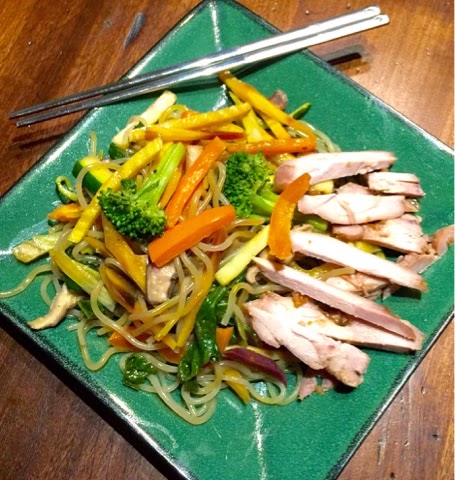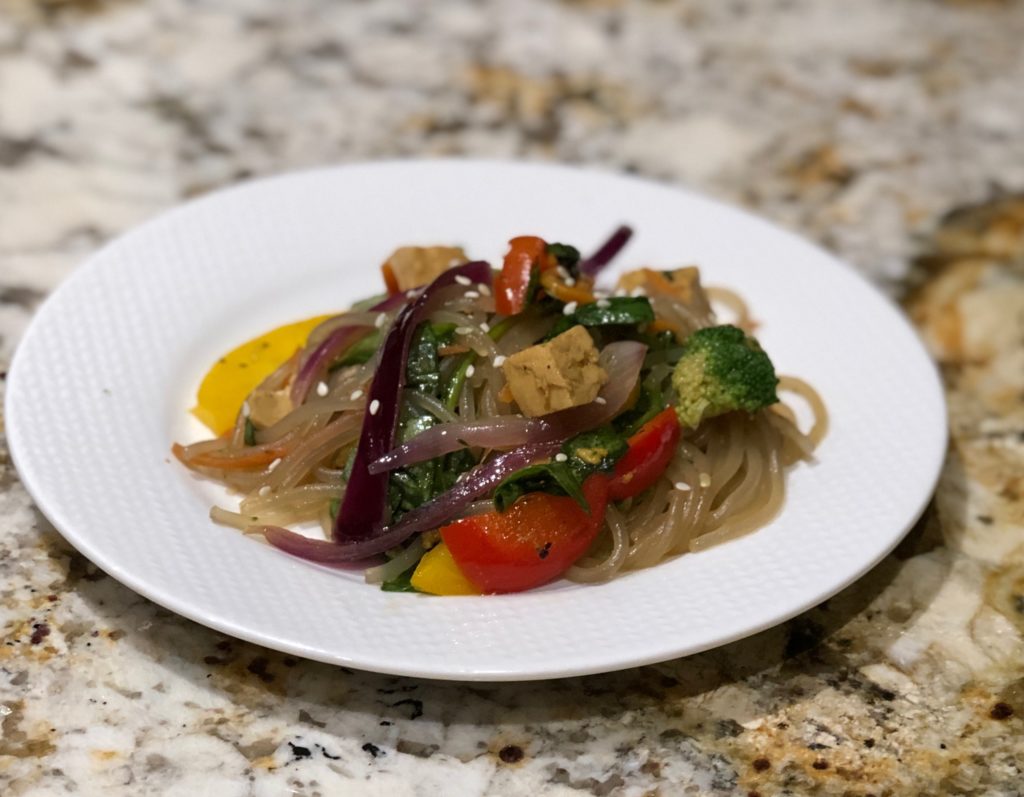
Using Ayurvedic principles of nutrition can easily transform a family’s favorite recipe into a healthier dish. Cooking with Ayurveda’s awareness of food as medicine, I enhance the Korean cuisine I grew up eating. Traditional Korean meals share similarities with Ayurvedically pre- pared meals, with an emphasis on eating foods to support one’s health. However, many modern Korean dishes are now made to only satisfy the salty, sweet, and spicy cravings people seek. Using Ayurvedic principles of cooking, I strive to create Korean cuisine with health and balance as the main ingredient in the dish.
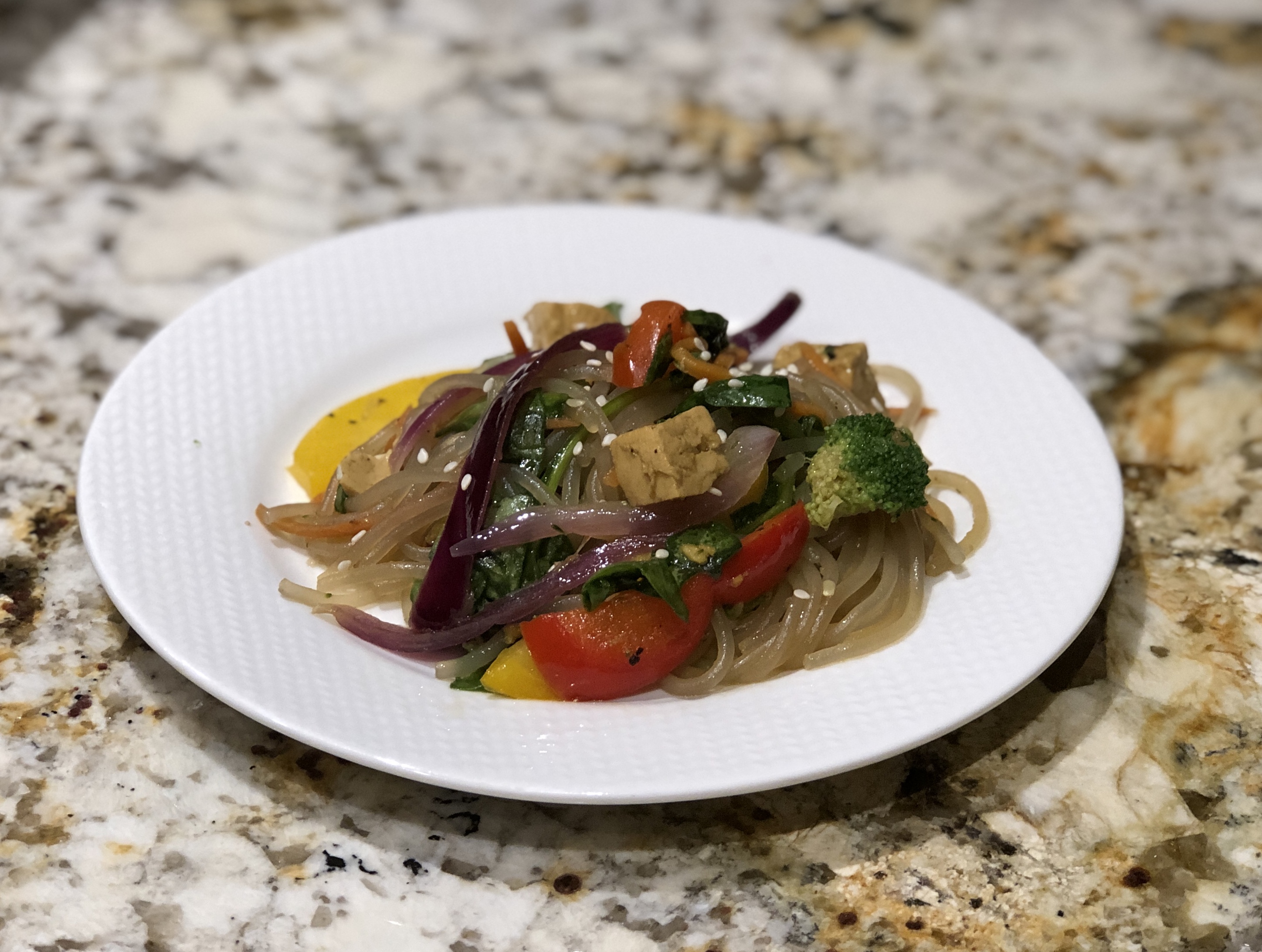
A favorite Korean dish passed down to me by my mother is japchae. Japchae was first created in the 17th century for the royal family of the Joseon Dynasty in Korea. During this time Buddhism influenced the everyday lives and the food Korean people ate. A vegetarian diet was enjoyed by most and thus japchae, which translates to “mixed vegetables” consisted of only cooked vegetables at that time.[1] It was around 1763 when sweet potatoes were first introduced to Korea from Japan, and then around 1930 when japchae included sweet potato starch noodles, dangmyeon. These noodles were introduced to Korea by the Chinese people, who have been making sweet potato starch noodles since the 1590s when sweet potatoes were brought to China.[2,3]. Learn how Japchae aligns with the principles of Ayurvedic nutrition to promote health and balance the doshas in the updated print version of the recipe. Link below.
Japchae 잡채 Korean Sweet Potato Noodles and Vegetables UPDATED PRINT VERSION
Ingredients:
Serves 8-10,
8 ounces of dangmyeon noodles – sweet potato starch noodles
2 tablespoons toasted sesame oil (to drizzle over cooked dungeon noo-
dles)
3 baby bok choy
1 medium-sized sweet bell pepper, cut into thin strip
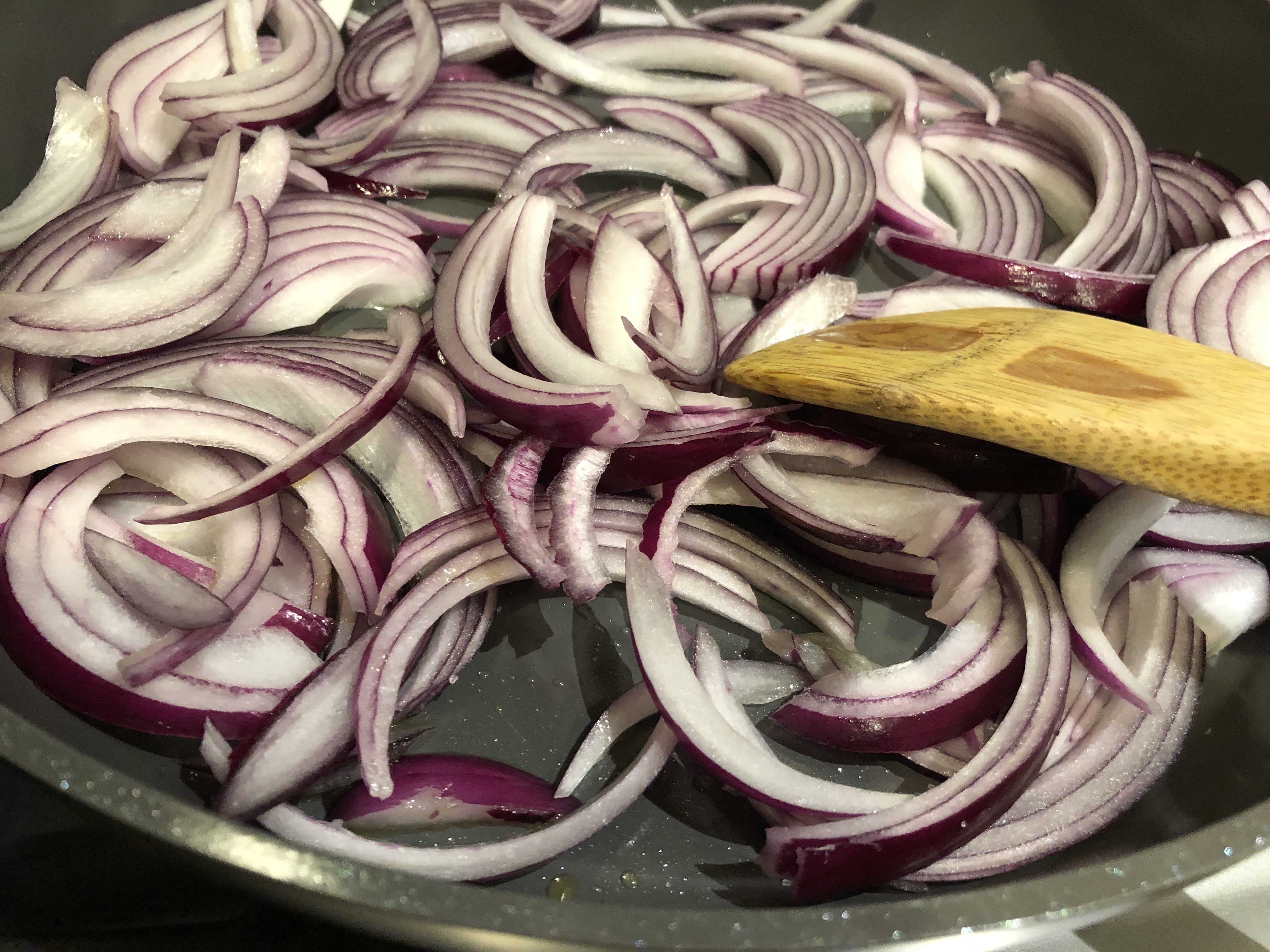
1 medium sweet purple onion, sliced thinly
2 cups of seasonal baby greens (spinach, kale, arugula)*
Korean Sea Salt or Mineral salt
Fresh ground black pepper
Avocado oil to stir fry
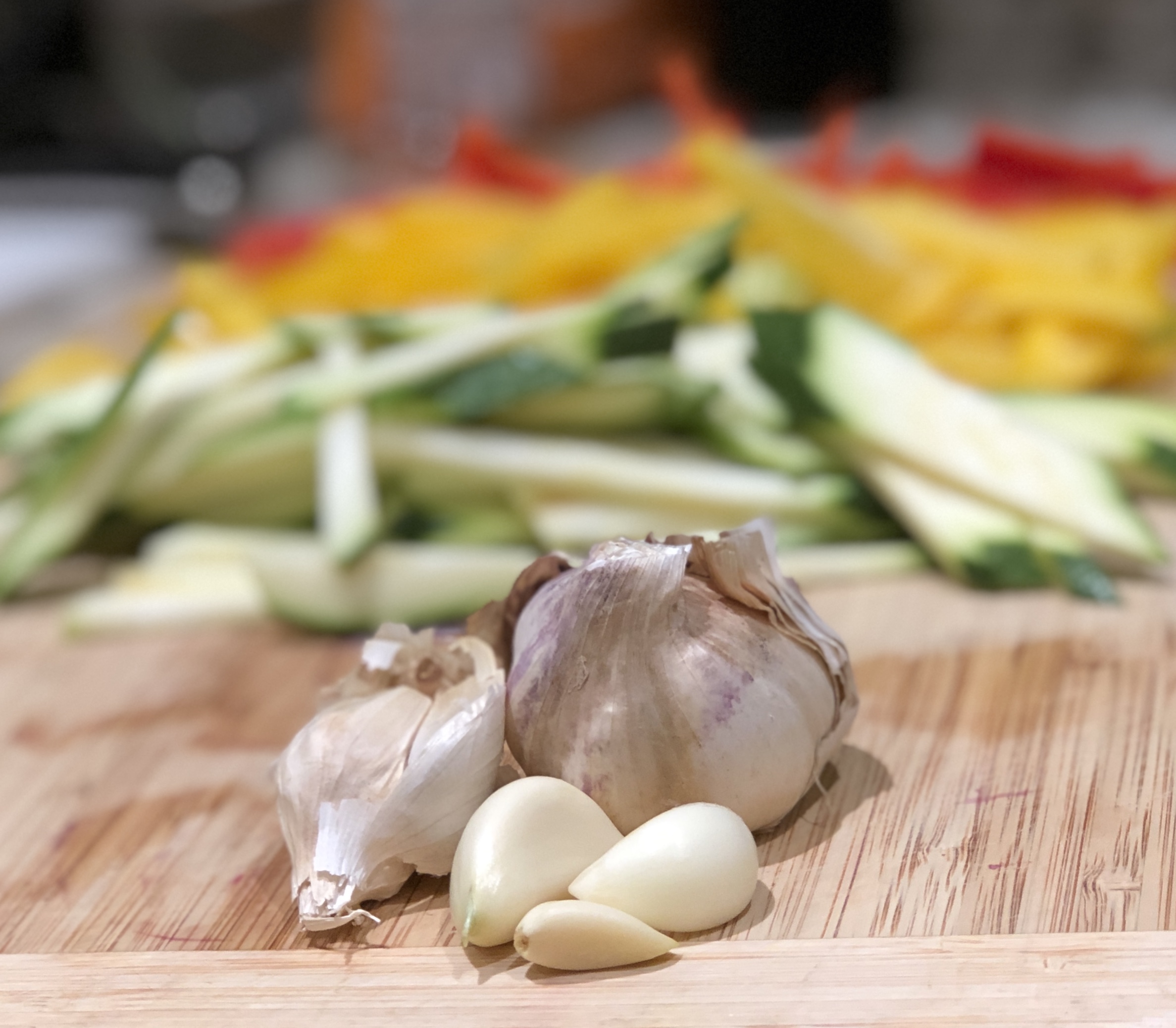
1 garlic clove, minced
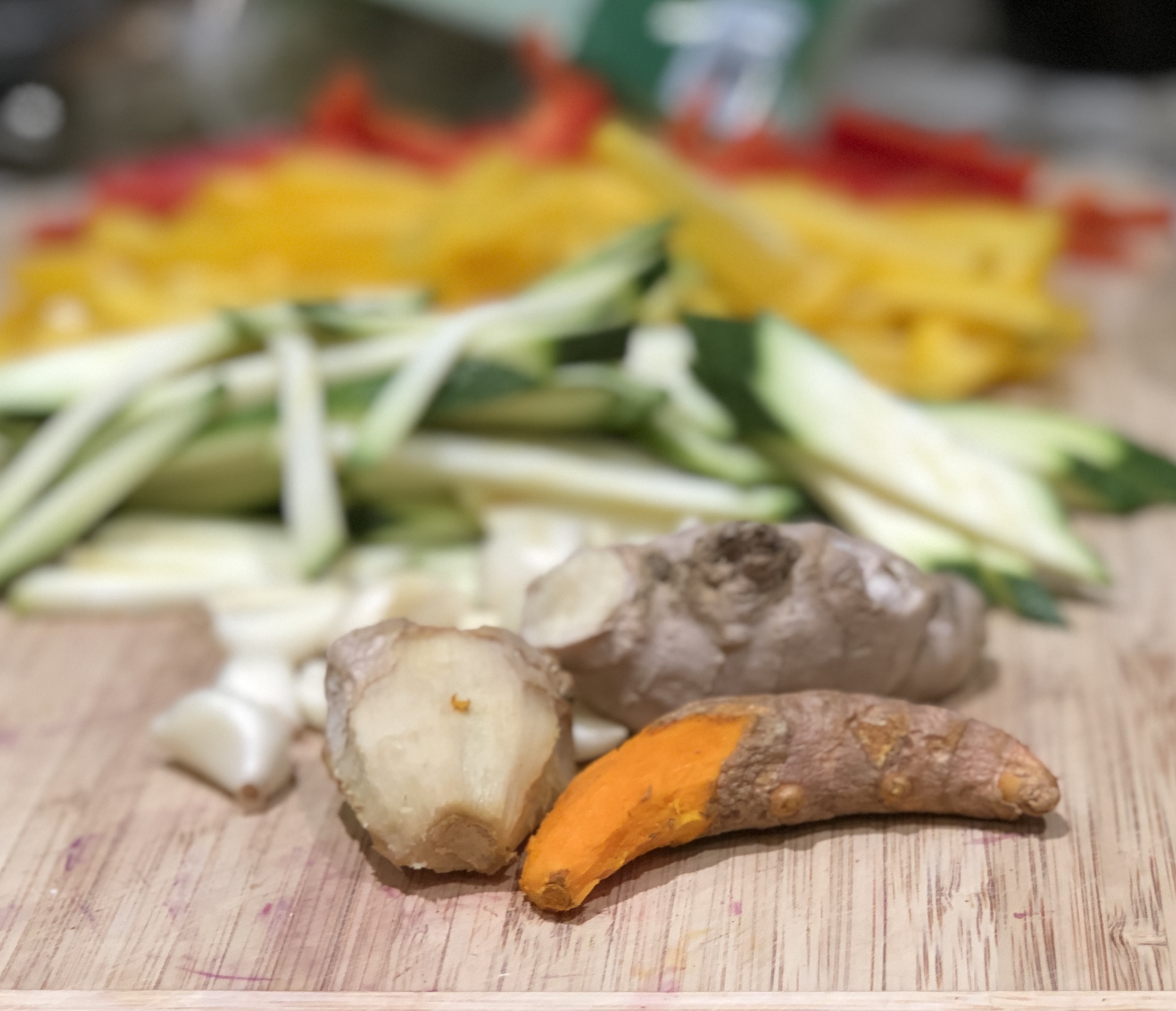
1 teaspoon grated fresh ginger root*
1/2 teaspoon grated fresh turmeric root
1/8 teaspoon of each ground spice: cumin, coriander, fennel
2 -3 tablespoons maple syrup
1/4 cup gluten-free tamari sauce *
1/4 cup water
1-2 teaspoons of naturally fermented rice wine vinegar or sweet white
balsamic vinegar*
1/4 cup dark sesame oil
Preparation
1. Cook dangmyeon noodles according to the directions on the package.
Drain dangmyeon noodles and place them back into the pot. Drizzle
with 2 Tbs of toasted sesame oil to prevent noodles from sticking.
Place lid on top of the pot and keep noodles warm.
2. Prep vegetables: rinse, chop, slice, and mince. Place them on cutting
board or platter, keeping them separated.
3. Heat a medium size sauté pan, and add 1 teaspoon of Avocado oil to
the pan.
4. Sauté vegetables separately starting with onions and then firmer veg-
etables such as the whites of bok choy. Add a pinch of salt while
sautéing veggetables. Be sure not to overcook, keeping vegetables
crunchy.
5. Do not sauté soft and tender greens such as baby spinach, baby
arugula or baby kale. Add these soft greens to noodles with a pinch
of mineral salt. The heat from the noodles and sauteed vegetables
will “cook” the soft and tender greens.
6. Place each batch of stir-fried vegetables over noodles.
7. In a small pot, sauté on medium-low heat, sesame oil, and spices,
then add the remaining ingredients for the Tamari Sesame Oil Sauce.
Cook on medium heat until it comes to a low boil, then turn down
the heat to low and cook for another minute.
8. Strain Tamari Sesame Oil Sauce in a fine metal strainer. Compost or
discard solids.
9. Add Tamari Sesame Oil Sauce over noodles and vegetables. Mix
carefully.
10. Serve warm or at room temperature. May serve as a side dish with a
protein of your choice
NOTE
1. Sweet potato starch noodles, dangmyeon, may be purchased at an
Asian grocery store.
2. Use seasonal vegetables that are best for your dosha.
3. Garlic clove is optional for vata and kapha and omit for pitta dsoha.
4. Fresh ground ginger-use 1 teaspoon for pitta dosha.
5. Use coconut aminos instead of tamari for pitta dosha.
6. Use 1 teaspoon of naturally fermented rice wine vinegar for pitta
dosha.
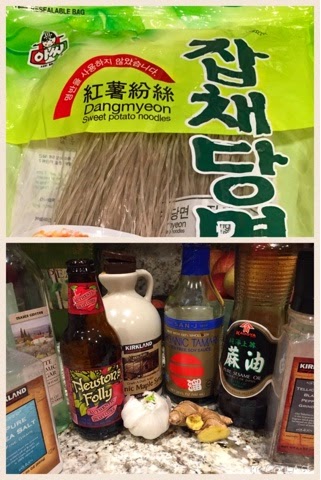
Cook dangmyeon noodles according to directions on the package. Drain dangmyeon noodles and back into the pot it goes. Drizzle with 1-2 Tbs of sesame oil to prevent noodles from sticking. Place lid on top of pot and keep warm.

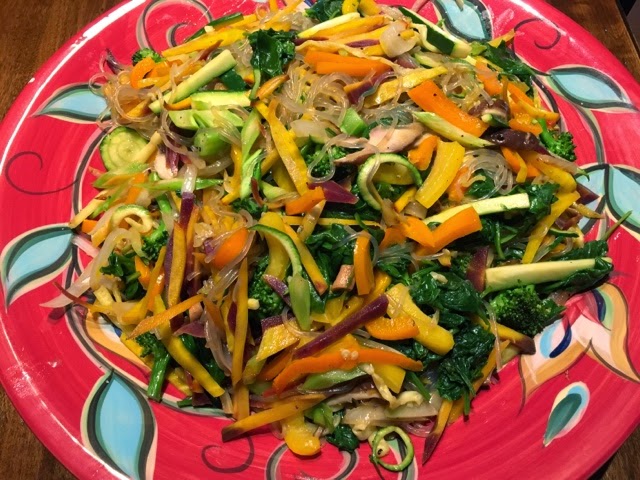
Get your veggies ready- rinse, chop, and slice.
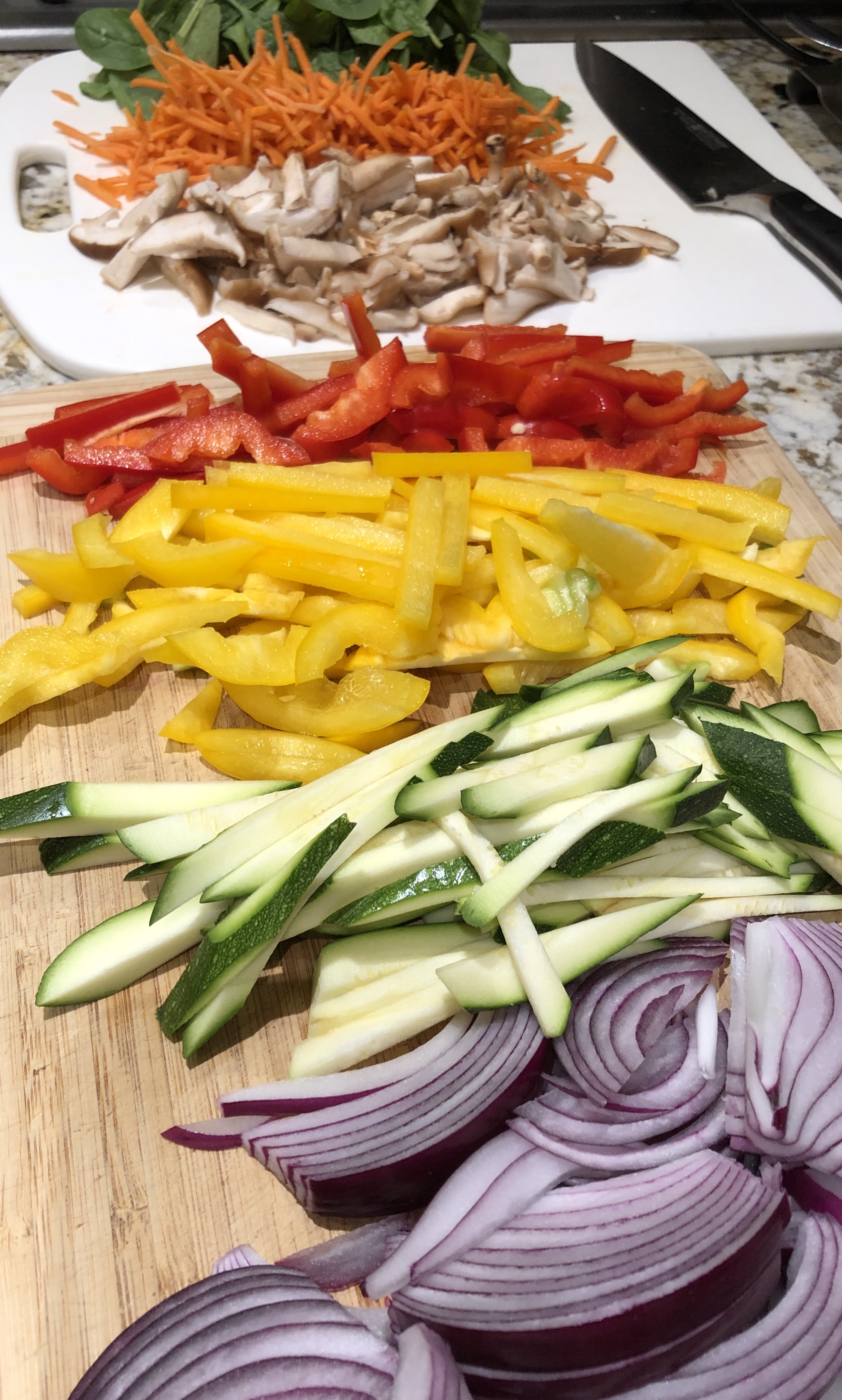

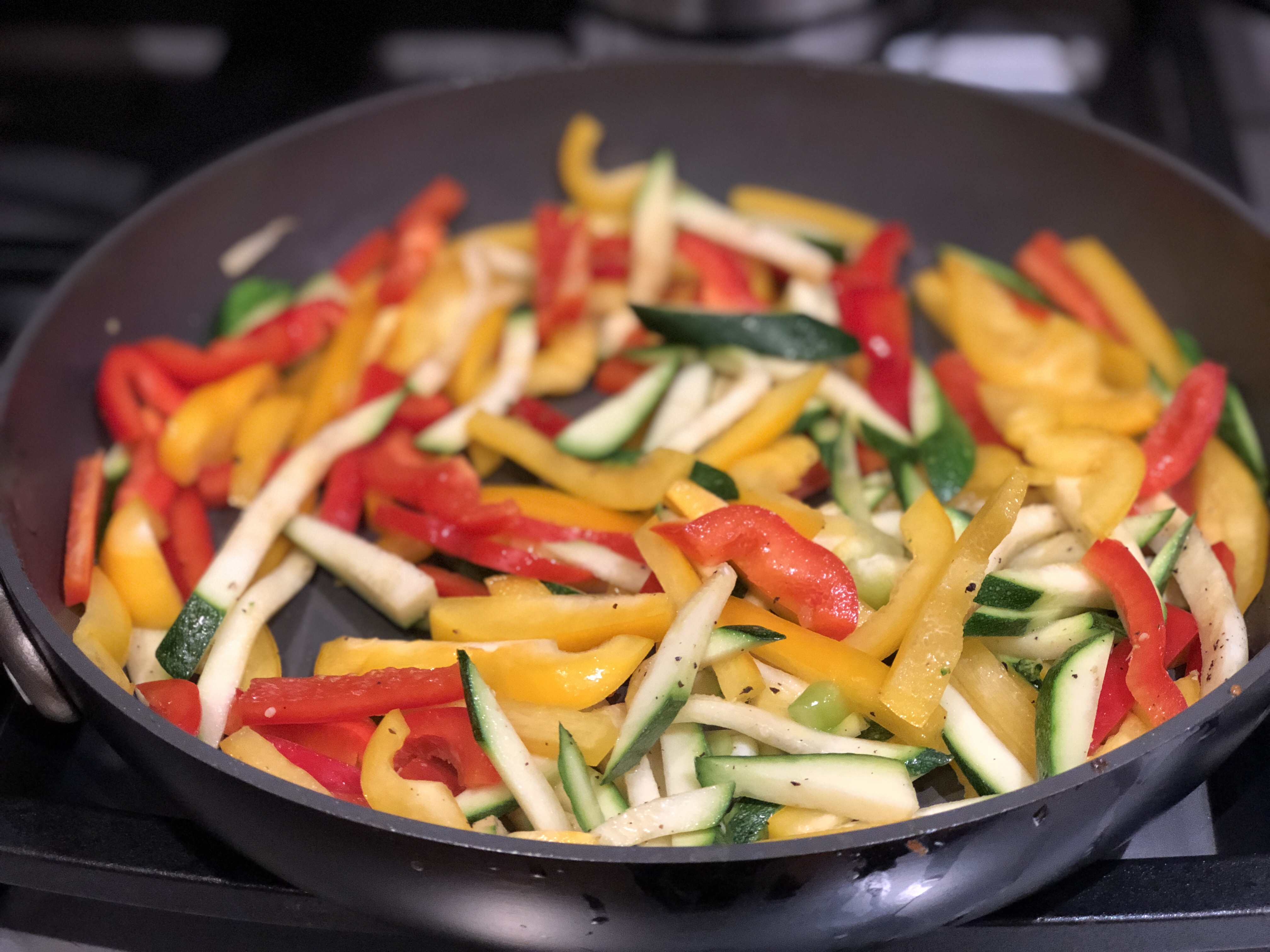
Sauté vegetables separately with a little oil starting with onions and then firmer vegetables such as broccoli or carrots. Add a pinch of salt and black pepper while sautéing veggies. Be sure not to overcook, keep vegetables crunchy.
- 2 lbs of skinless, boneless chicken thighs
- 2 garlic cloves, minced
- 2 -3 tablespoons Maple Syrup
- 1/4 cup Tamari (or coconut amigos)
- 6 oz of Hard Apple Cider or white wine
- 2 teaspoon grated fresh ginger
- 1 teaspoon fish sauce
- ground black pepper
Marinating chicken bulgogi~ marinade for a minimum of 2 hours. Grill or cook on stove top.